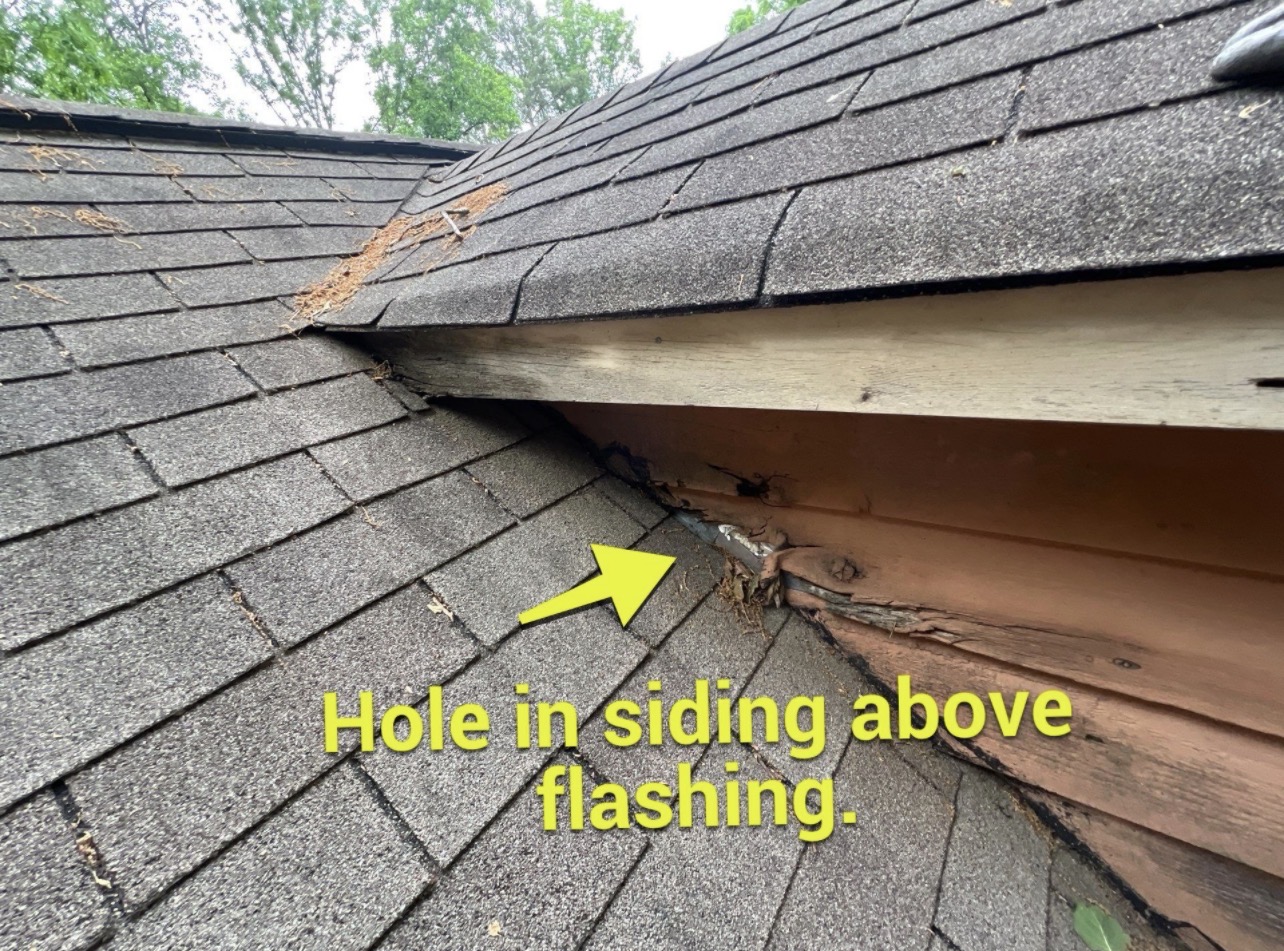
Step 1: Identify the Storm Event
Record the date, approximate time, and known hail, wind, debris, or severe-weather conditions.
 Odd Couple Roofing
North Atlanta Homeowner Guide
Learn how hail, wind, falling debris, and severe weather can affect your roof, what to document after a storm, and when a professional inspection makes sense.
Stay safe and inspect only from the ground. Photograph visible exterior and interior conditions, protect belongings from active leaks, and avoid climbing onto the roof. A professional inspection can document conditions that are difficult to confirm safely and determine whether repair, restoration, or replacement should be evaluated.
On this page
Storm Damage Assessment Framework
The process begins with the weather event and visible conditions, then moves to a documented inspection of the complete roofing system before any repair or replacement recommendation is made.
Record the date, approximate time, and known hail, wind, debris, or severe-weather conditions.
Photograph exterior and interior observations from safe locations without climbing onto the roof.
Evaluate shingles, flashing, penetrations, vents, soft metals, seals, transitions, and affected roof areas.
Connect the evidence to scope, repairability, roof condition, materials, and the durability of each option.
Interactive visual
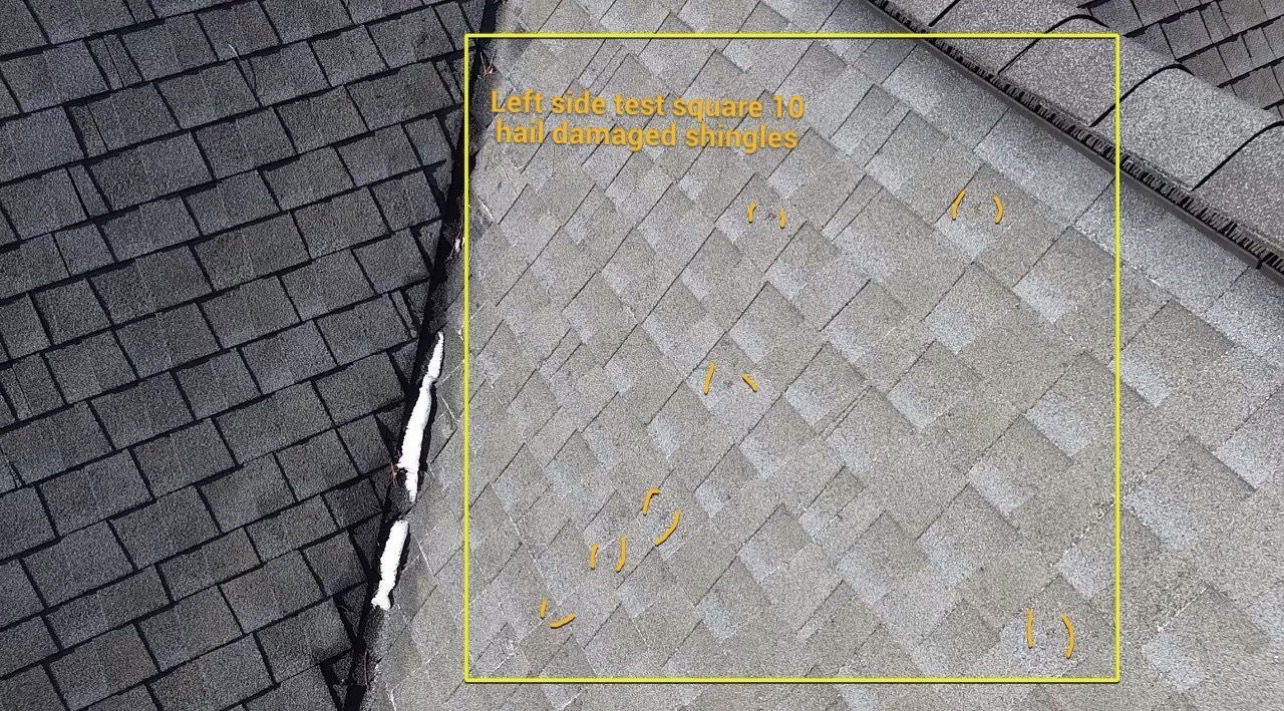
Inspectors look for a consistent pattern of impacts across shingles and soft-metal roof components. Chalk markings make individual findings easier to review and document.

Wind can lift shingles, break seal strips, create creases, or remove tabs. Damage can exist even when the roof still looks complete from the ground.

Branches and wind-driven debris can puncture roofing materials, damage flashing, or affect the roof deck. The impact area and surrounding system both need evaluation.
How to identify the problem
Stay on the ground unless you are trained and equipped for roof access. Look for visible changes and document the date and conditions.
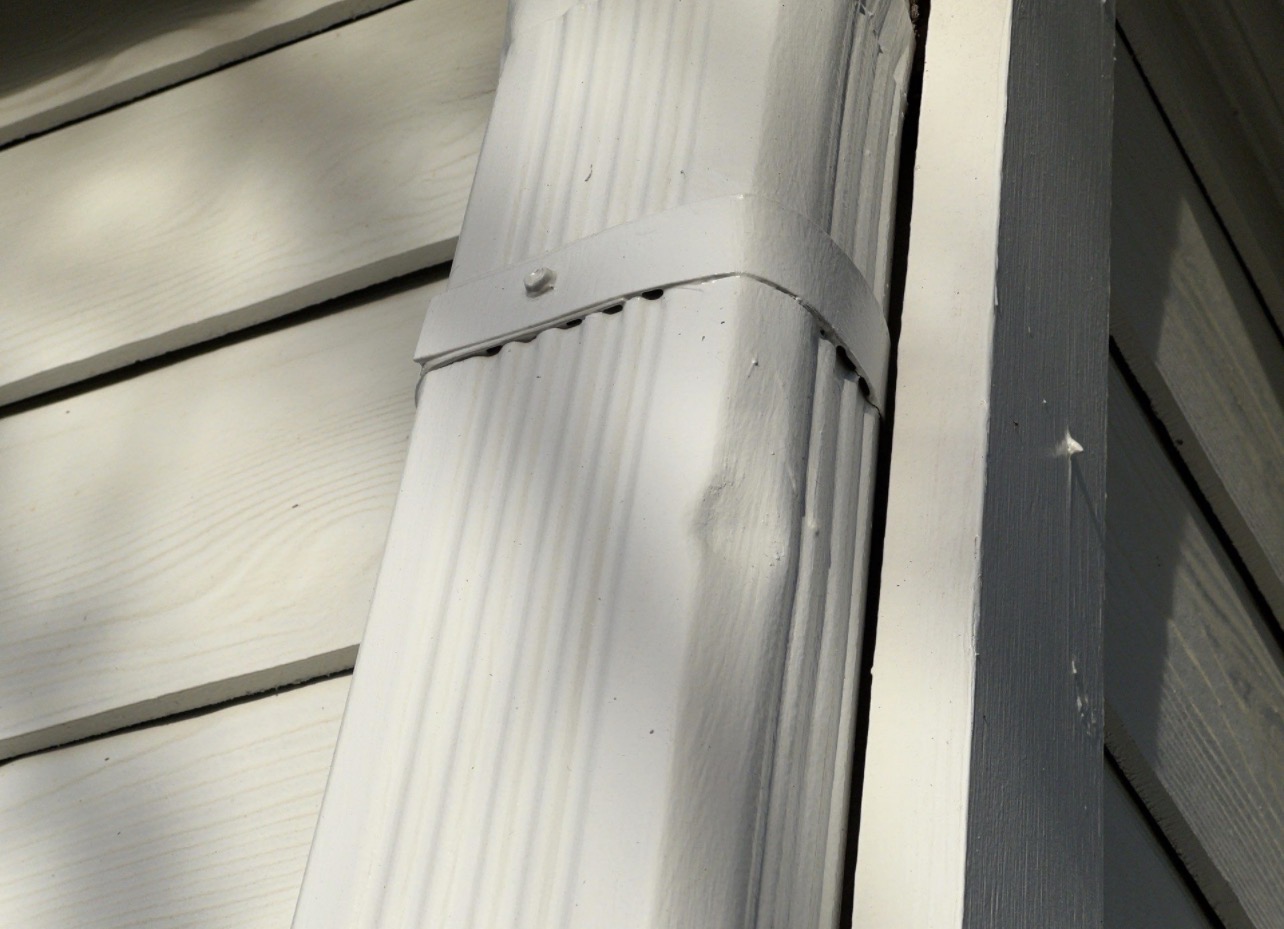
Look for missing shingles, displaced materials, tree limbs, damaged gutters, dented downspouts, or debris around the property.
Check ceilings, attic areas, and exterior walls for new staining, moisture, or daylight entering near roof penetrations.
A professional inspection evaluates shingle impacts, seal strips, creases, flashing, vents, pipe boots, valleys, and transitions.
Review the evidence, the affected areas, repairability, roof age, material availability, and the expected service life of each option.
Real examples

Inspection and documentation
The inspection should connect each visible condition to a specific roof area, photograph the evidence clearly, and explain what the finding means. Documentation helps homeowners understand the roof; it does not replace the insurer's coverage decision.
See how visible conditions are captured during an inspection.
Repair vs replacement
Sometimes. A focused repair may be appropriate when damage is localized, compatible materials are available, and the surrounding roof remains serviceable. Replacement may be the responsible choice when damage is widespread, matching is impractical, or the existing system cannot support a durable repair.
The affected area is limited, the roof is otherwise serviceable, and a compatible repair can be completed without creating new vulnerabilities.
Compare repair and replacementDamage spans multiple roof areas, materials cannot be matched responsibly, or age and condition make isolated work a poor long-term solution.
Compare repair and replacementEmergency response
Protect people first, document only what can be seen safely, and take reasonable steps to limit additional water entry without climbing onto a wet or unstable roof.
Stay clear of fallen trees, electrical hazards, unstable materials, and active leaks near electrical fixtures.
Photograph visible exterior and interior conditions from safe locations.
Move belongings, contain interior water, and avoid unsafe temporary roof work.
A qualified professional may install temporary protection when conditions allow.
Have the roofing system evaluated so the source, scope, and repairability can be documented.
Keep photographs, inspection records, invoices, dates, and communications together.
Insurance documentation
Record the date and approximate time of the weather event, exterior and interior photographs, roof-level inspection photographs, and written scope documentation. Accurate records help explain observed conditions, but they do not promise insurance approval and are not legal advice. Coverage decisions remain with the insurer under the policy.
Date, approximate time, weather conditions, and when damage was first noticed.
Exterior elevations, gutters, downspouts, debris, interior staining, and affected belongings.
Clearly labeled roof areas, shingles, flashing, vents, soft metals, and penetrations.
Inspection findings, temporary protection, repair recommendations, estimates, and completed work.
Storm damage matrix
Visible conditions may indicate a need for closer evaluation, but they do not automatically require replacement. The inspection must connect each observation to the condition and repairability of the roofing system.
| Condition | Homeowner May Notice | Inspection Evaluates | Possible Next Step |
|---|---|---|---|
| Hail | Dents or scattered impact marks | Pattern, materials, soft metals, and shingle condition | Document findings; repair or broader evaluation may follow |
| Wind | Loose, missing, lifted, or creased shingles | Seal integrity, fasteners, ridge caps, and affected slopes | Localized repair may be possible; widespread effects require inspection |
| Debris | Branches, punctures, or displaced materials | Impact area, flashing, shingles, and roof deck | Remove hazards safely and determine the repair scope |
| Leaks | New staining, dripping, or attic moisture | Entry point, path of water, and affected materials | Temporary protection and a source-specific repair may be needed |
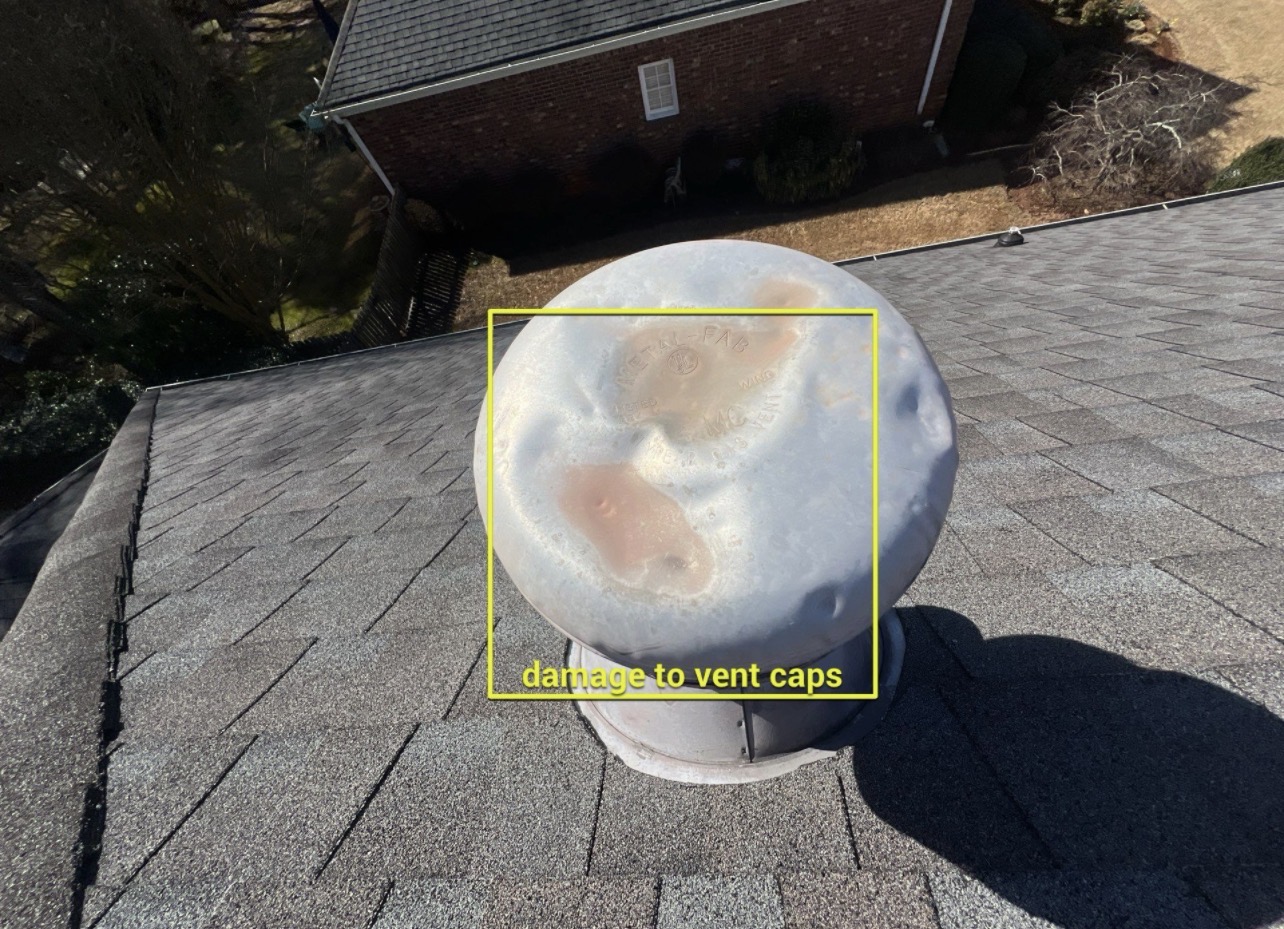
| Soft-metal damage | Dents in vents, gutters, or downspouts | Event evidence and nearby roofing materials | Document; metal dents alone do not prove functional shingle damage |
| Localized damage | One visibly affected area | Whether surrounding materials support a durable repair | Repair may be appropriate after inspection |
| Widespread damage | Conditions across multiple slopes | Overall scope, repairability, age, and system condition | Repair, restoration, or replacement evaluation may be appropriate |
Common questions
Yes. Wind can lift tabs, weaken seal strips, or create creases even when the shingles remain on the roof.
Hail evidence can include dents in soft metals, bruising, displaced granules, and a random pattern of impacts across shingles and roof components.
No unless you are trained, properly equipped, and conditions are safe. Ground-level observations and a professional inspection reduce unnecessary risk.
No. Documentation helps show observed conditions, but coverage and claim decisions are made by the insurance carrier under the policy.
If you see active leaking, missing materials, tree impact, or another urgent concern, seek help promptly. Otherwise, arrange an inspection soon enough to document conditions before weather or repairs change the evidence.
No. Hail findings require inspection in context. The impact pattern, affected materials, roof condition, and repairability determine whether a repair or broader evaluation makes sense.
From safe locations, photograph exterior elevations, gutters, downspouts, debris, missing materials, interior staining, and any temporary protection. Avoid climbing onto the roof.
A correctly installed temporary tarp may help limit additional water entry until permanent work can be completed. Installation should be handled safely by a qualified professional when conditions allow.
Document what you can safely see, then schedule a professional roof inspection for answers about your specific roof.